On December 17, 2024, the Charter Institute at Erskine’s Board of Directors officially approved the transformative Institute Success Agenda, a $1.75 million series of strategic initiatives that will address some of today’s most pressing challenges in South Carolina’s education system. The agenda consists of three pillars – 1) the Corridor of Success, 2) Math Success, and 3) the Acceleration of Success. This agenda sets a bold course toward generational transformation for children, teachers, and families statewide.
“The Charter Institute was founded to create solutions for the benefit of South Carolina’s education system,” said Cameron Runyan, Superintendent of the Charter Institute. “This agenda represents our commitment to think bigger and aim higher for the sake of our state’s children, teachers, and families.”
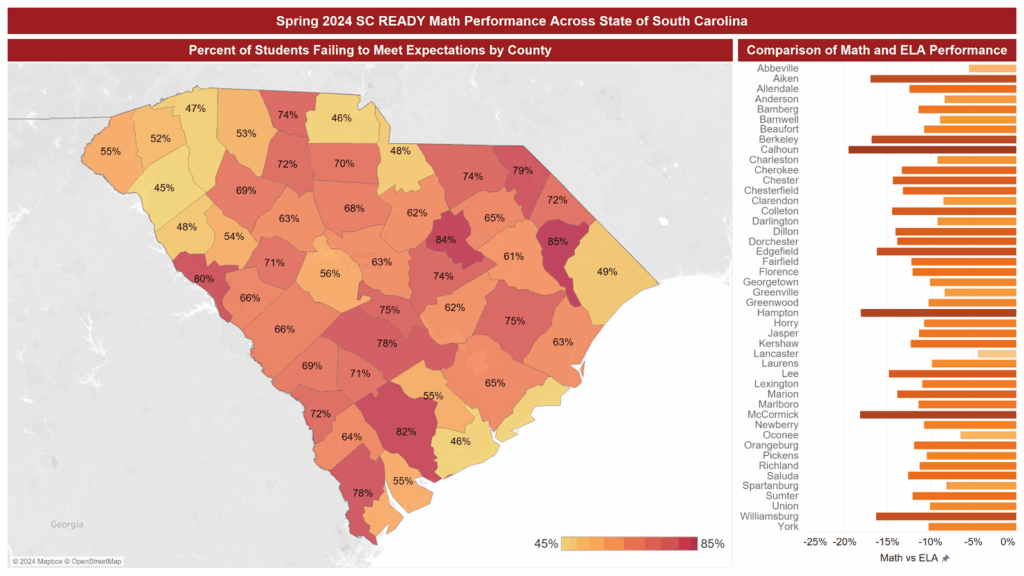
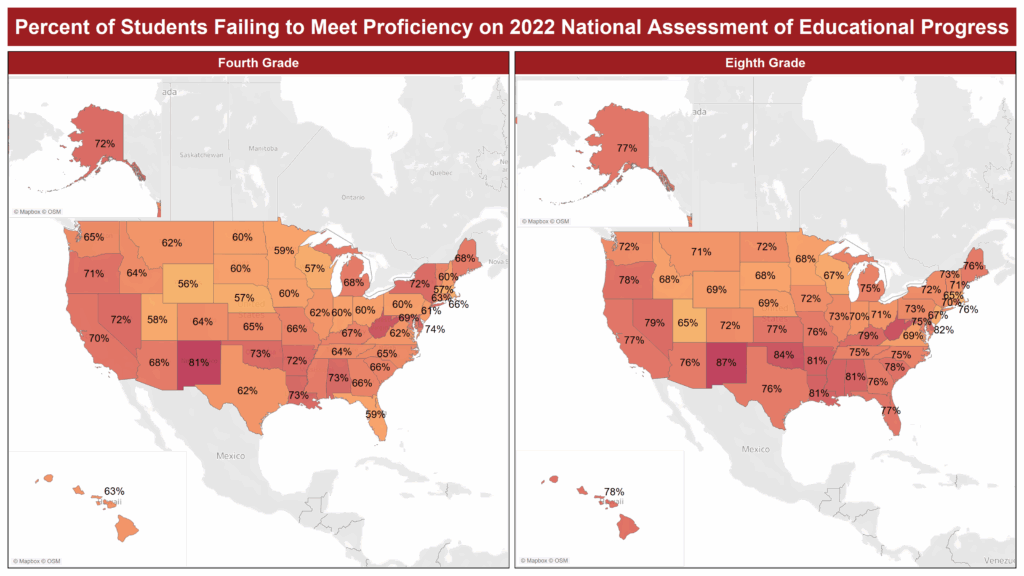
The Math Success agenda is being implemented in response to the historically low math scores observed in South Carolina and across the country. Low academic achievement in mathematics is threatening students’ academic and professional futures. In every county in South Carolina, math scores drastically trail achievement in English Language Arts. According to the National Assessment of Education Statistics, states across the country are seeing historically large achievement gaps in math scores in fourth grade that only widen as students age. To address this crisis, the Institute is launching a three-pronged strategy:
These three initiatives will not only provide a path forward to improving student outcomes but will also provide data that will be used nationally to address the math crisis.